Since the Second Industrial Revolution, human society began the production and manufacturing of electric motors, spanning over a century of history. During this period, the Third Industrial Revolution significantly enhanced the manufacturing standards and performance of high-efficiency motors. However, the production model of customized manufacturing has long been constrained by costs and has yet to achieve widespread adoption. Yet, with advancements in information technology and robotics, personalized customization has begun to gain traction across many industries.
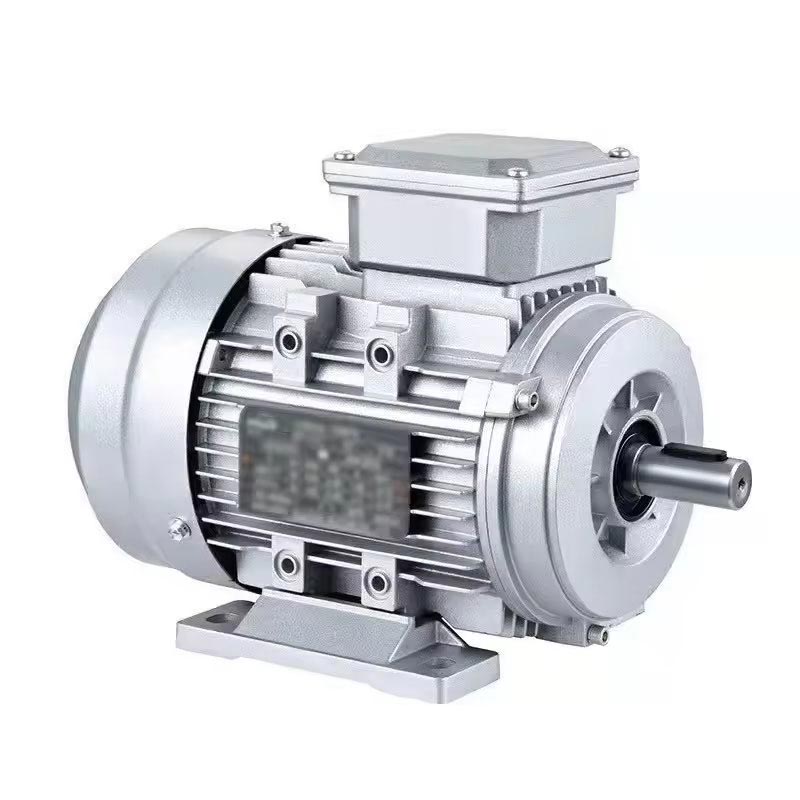
Customization entails non-standardized products, requiring enterprises to adjust production according to the unique requirements of clients. However, due to factors such as molds and efficiency, such adjustments inevitably incur costs. An enterprise operates much like a long procession of hundreds of individuals, typically moving along pre-agreed paths. This means that communication and execution take time. Moreover, under traditional models, as communication nodes increase, the probability of errors grows exponentially. Customized products, often constrained by tight deadlines, leave little room for errors, further heightening the risk. Additionally, factors like mold replacement time have led many enterprises to forgo the production of customized orders with small batch sizes. Digitalizing the production process, however, involves overseeing key stages of manufacturing with digital and information technologies, enabling seamless coordination across the enterprise. By standardizing and codifying processes from the order stage, customized products can be directly linked to frontline production. Achieving this goal requires digitizing or automating certain information transmission processes or roles while integrating with automated equipment and robotics. This approach minimizes variable costs in customized production, enabling efficient and cost-effective manufacturing of high-efficiency motors, even in single-unit orders.
The development of information technology and artificial intelligence empowers us to manage production with greater efficiency and flexibility, representing the future trend of the industry. We warmly welcome clients to join us in ushering in the era of “customized high-efficiency motors.”